


올바른 선택 앵커 체인 는 정확한 측정이라는 간단한 단계로 시작됩니다.
많은 선박 운영자는 문서에 인쇄된 앵커 체인 크기가 정확하다고 생각합니다. 실제로는 마모, 표준 및 과거 교체로 인해 실제 크기가 다른 경우가 많습니다. 크기가 잘못되면 앵커링 성능 저하, 윈들라스에 체인이 걸리거나 심지어 안전 위험과 같은 문제가 발생할 수 있습니다.
이 가이드에서는 다음과 같이 안내해 드립니다. 앵커 체인 크기를 단계별로 측정하는 방법, 간단한 도구와 명료한 설명이 제공됩니다.
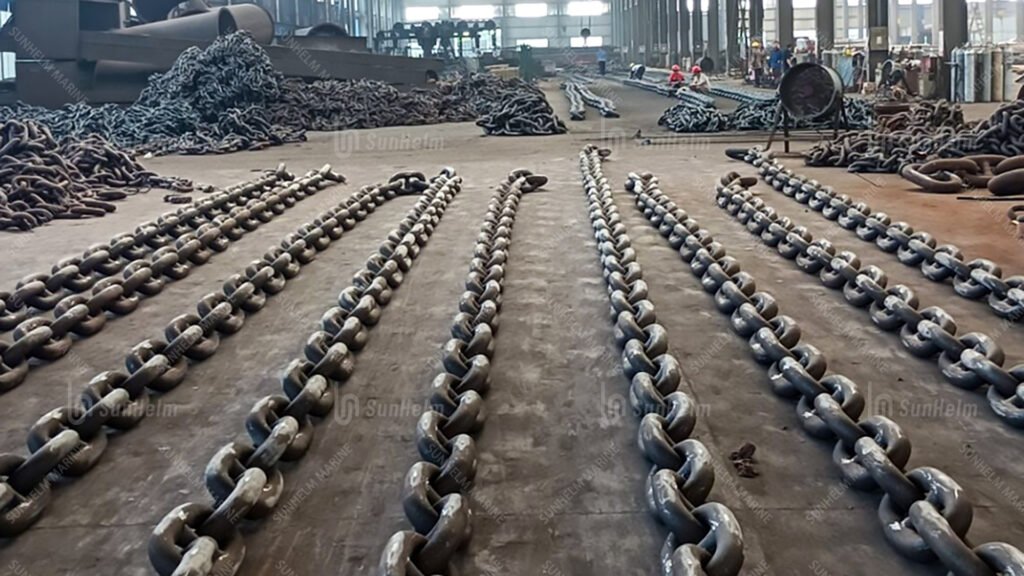
앵커 체인 크기 측정이 중요한 이유
앵커 체인은 앵커를 선박에 연결하는 것 이상의 역할을 합니다. 그것:
- 바람과 파도로 인한 충격 부하를 흡수합니다.
- 앵커 각도를 낮게 유지하여 고정력 향상
- 윈들라스 및 체인 집시와 직접 작동합니다.
만약 앵커 체인 크기 가 윈들라스나 닻과 일치하지 않습니다:
- 체인이 미끄러지거나 점프할 수 있습니다.
- 마모가 빠르게 증가합니다.
- 앵커링 안전성이 감소합니다.
그렇기 때문에 공칭 사이즈에 의존하는 것보다 정확한 측정이 더 중요합니다.
“앵커 체인 크기”는 실제로 무엇을 의미하나요?
사람들이 앵커 체인 크기에 대해 이야기할 때 보통 두께 이상의 의미를 갖습니다.
전체 앵커 체인 크기에는 다음이 포함됩니다:
- 체인 직경(d) - 철근의 두께
- 링크 길이(p) - 하나의 체인 링크의 총 길이
- 링크 너비(b) - 링크의 전체 너비
- 안쪽 너비 - 윈들라스 호환성에 중요
표준마다 이러한 치수를 정의하는 방식이 조금씩 다르기 때문에 항상 실제 측정이 권장됩니다.
일반적인 앵커 체인 유형
측정하기 전에 보유하고 있는 앵커 체인의 유형을 파악하세요:
- 스터드 링크 앵커 체인
- 링크를 가로지르는 막대(스터드)가 있습니다.
- 더 강력하고 일반적으로 대형 선박에 사용
- 스터드리스 앵커 체인
- 링크 내부에 스터드 없음
- 더 가볍고 다루기 쉬운 제품
- 짧은 링크와 긴 링크 체인
- 짧은 링크는 윈들라스용으로 설계되었습니다.
- 긴 링크는 대부분의 앵커 시스템에 적합하지 않습니다.
체인 유형은 측정과 호환성 모두에 영향을 미칩니다.
앵커 체인 크기 측정에 필요한 도구
특별한 장비가 필요하지 않습니다. 기본 도구만 있으면 충분합니다:
- 버니어 캘리퍼 또는 디지털 캘리퍼
- 강철 자 또는 줄자
- 평평한 표면
육안으로 추정하지 마세요. 단 몇 밀리미터라도 윈들라스에 문제를 일으킬 수 있습니다.
단계별: 앵커 체인 크기 측정 방법
1. 체인 직경(d)을 측정합니다.
- 링크를 형성하는 철근의 직경을 측정합니다.
- 심하게 마모되거나 부식된 부위는 피하세요.
- 여러 지점에서 측정하고 평균을 사용합니다.
가장 일반적으로 참조되는 앵커 체인 치수입니다.
2. 링크 길이(p) 측정
- 링크 한쪽 끝의 바깥쪽 가장자리에서 다른 쪽 끝으로 측정합니다.
- 이 치수는 윈들라스 집시 매칭에 매우 중요합니다.
두 체인의 직경이 같더라도 링크 길이가 다르면 호환되지 않을 수 있습니다.
3. 링크 너비(b) 측정
- 체인 링크의 가장 넓은 부분을 측정합니다.
- 체인이 집시를 통과하는 경우 내부 너비도 확인하세요.
이렇게 하면 끊김이나 건너뛰기 없이 원활하게 작동합니다.
알아야 할 앵커 체인 크기 표준
앵커 체인 크기는 직경이 같아 보여도 표준에 따라 다릅니다.
일반적인 표준은 다음과 같습니다:
- ISO 앵커 체인 - 국제적으로 널리 사용되는
- DIN 앵커 체인 - 유럽 시장에서 일반적
- ASTM / ABS 표준 - 상업용 선박에 자주 사용
이러한 차이점 때문에 항상 측정된 치수, 표준 이름뿐만 아니라.
윈들라스와 앵커 체인 사이즈 일치하기
올바른 앵커 체인 크기는 적절한 시스템 매칭을 위해 필수적입니다:
- 체인은 윈들라스 집시에 정확히 맞아야 합니다.
- 크기가 잘못되면 체인이 뛰거나 고르지 않게 마모될 수 있습니다.
- 앵커 크기, 용기 크기, 체인 크기는 시스템으로 작동해야 합니다.
앵커 체인을 교체할 때는 항상 기존 장비와의 호환성을 확인해야 합니다.
앵커 체인 측정 시 흔히 저지르는 실수
이러한 오류는 예상보다 자주 발생합니다:
- 직경만 측정하고 링크 길이를 무시하는 경우
- 평균 상태 대신 마모된 부분 측정
- 스터드 링크와 스터드리스 앵커 체인을 혼동하는 경우
- 이전 문서가 정확하다고 가정
몇 분만 주의 깊게 측정하면 값비싼 실수를 방지할 수 있습니다.
앵커 체인 크기는 언제 다시 측정해야 하나요?
앵커 체인은 언제 측정해야 합니다:
- 중고 용기 구매하기
- 윈들라스 또는 닻 교체하기
- 장기간 사용 및 눈에 띄는 마모 후
- 체인 출처 또는 표준을 알 수 없음
정기적인 점검은 안전성을 향상시키고 서비스 수명을 연장합니다.
최종 생각: 먼저 측정하고, 나중에 결정하기
앵커 체인 크기를 측정하는 것은 간단하지만 앵커링 안전과 장비 호환성에 큰 역할을 합니다.
항상 다음 사항에 의존하십시오. 실제 측정, 가 아닌 실제입니다. 적절한 크기의 앵커 체인은 성능을 향상시키고 마모를 줄이며 모든 조건에서 선박을 안전하게 유지합니다.
{ “@컨텍스트”: “https://schema.org”, “@type”: “FAQPage”, “mainEntity”: [ { “@type”: “질문”, “name”: “앵커 체인 크기는 어떻게 측정하나요?”, “acceptedAnswer”: { “@type”: “답변”, “text”: “앵커 체인 크기는 캘리퍼와 자를 사용하여 체인 직경, 링크 길이 및 링크 폭을 확인하여 측정합니다. 정확성을 보장하기 위해 여러 번 측정해야 합니다.” } }, { “@type”: “질문”, “name”: “앵커 체인 크기는 직경만 있나요?”, “acceptedAnswer”: { “@type”: “답변”, “text”: “아니요. 앵커 체인 크기에는 체인 직경, 링크 길이 및 링크 너비가 포함됩니다. 이러한 모든 치수는 윈들라스 및 앵커와의 호환성에 영향을 미칩니다.” } }, { “@type”: “질문”, “name”: “앵커 체인 크기가 윈들라스와 일치해야 하는 이유는 무엇인가요?”, “acceptedAnswer”: { “@type”: “답변”, “text”: “앵커 체인 크기가 윈들라스 집시와 일치하지 않으면 체인이 미끄러지거나 뛰거나 걸리면 안전하지 않은 작동과 마모 증가를 유발할 수 있습니다.” } }, { “@type”: “질문”, “name”: “마모된 앵커 체인이 측정된 크기에 영향을 미칠 수 있나요?”, “acceptedAnswer”: { “@type”: “답변”, “text”: “예. 마모와 부식은 시간이 지남에 따라 체인 직경을 감소시킵니다. 그렇기 때문에 마모가 심한 부분을 피하고 평균값을 사용하여 측정해야 합니다.” } } ] }