




Introduction
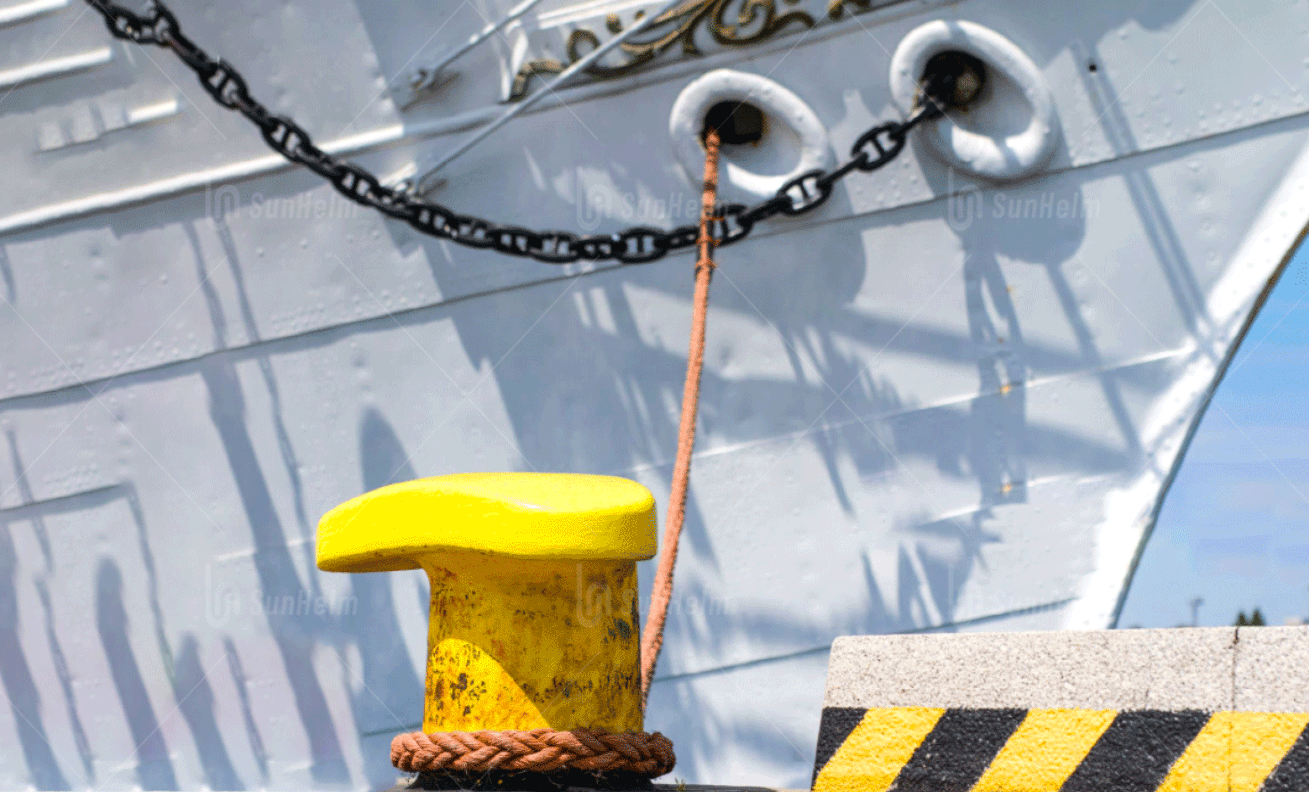
Mooring bollards are small but mighty. They keep ships safely tied to the dock, even during rough weather, strong tides, or heavy winds. For anyone designing or operating a port, understanding why these bollards are so strong helps ensure safe and efficient operations.

The Function of Mooring Bollards
Mooring bollards secure vessels to the dock. When a ship moors, it pulls on the bollard with a lot of force. Wind, waves, and tidal changes all increase the tension on the mooring lines. A well-designed bollard can handle all this without bending or breaking. Typical bollards handle forces from a few tons up to several hundred tons, depending on the vessel size.
Material Matters
The strength of a mooring bollard starts with its material. Engineers usually make bollards from high-strength steel, cast steel, or alloy steel. These materials resist corrosion and can handle huge loads without deforming. Designers check parameters like yield strength, tensile strength, and corrosion resistance to make sure ports can use the bollard for decades, even in harsh marine environments.
Design Makes the Difference
The shape and structure of a bollard also affect its strength. Engineers often use T-head, H-head, or cylindrical designs. These shapes distribute the load evenly and reduce stress points. Thick bollards, large bases, and strong welds improve the bollard’s ability to hold heavy ships. A well-designed bollard spreads the force efficiently into the dock structure, preventing damage.
Installation and Foundations
Even the strongest steel and best design fail if engineers don’t install the bollard properly. Designers anchor bollards into reinforced concrete or embed them deep into the dock structure. Soil type, dock design, and water conditions affect the bollard’s performance. A solid foundation lets the bollard handle extreme forces without shifting or failing.
Maintenance and Longevity
Ports maintain bollards regularly to ensure safety. Staff apply protective coatings, such as paint or galvanization, to prevent rust. Some ports use cathodic protection to prevent underwater corrosion. Inspecting bollards regularly for cracks, wear, or damage keeps them safe for daily operations. Neglecting maintenance can cause bollards to fail, risking accidents or damage to ships.
FAQ
Q1: What is the difference between a mooring bollard and a cleat?
A mooring bollard is larger and stronger, designed for heavy ships, while a cleat is smaller and often used for small boats.
Q2: How often should mooring bollards be inspected?
Inspect bollards at least once a year and after extreme weather events. Busy ports should check them more frequently.
Q3: Can old mooring bollards be reinforced instead of replaced?
Yes, engineers sometimes reinforce old bollards, but it depends on the existing condition, load requirements, and safety standards.