


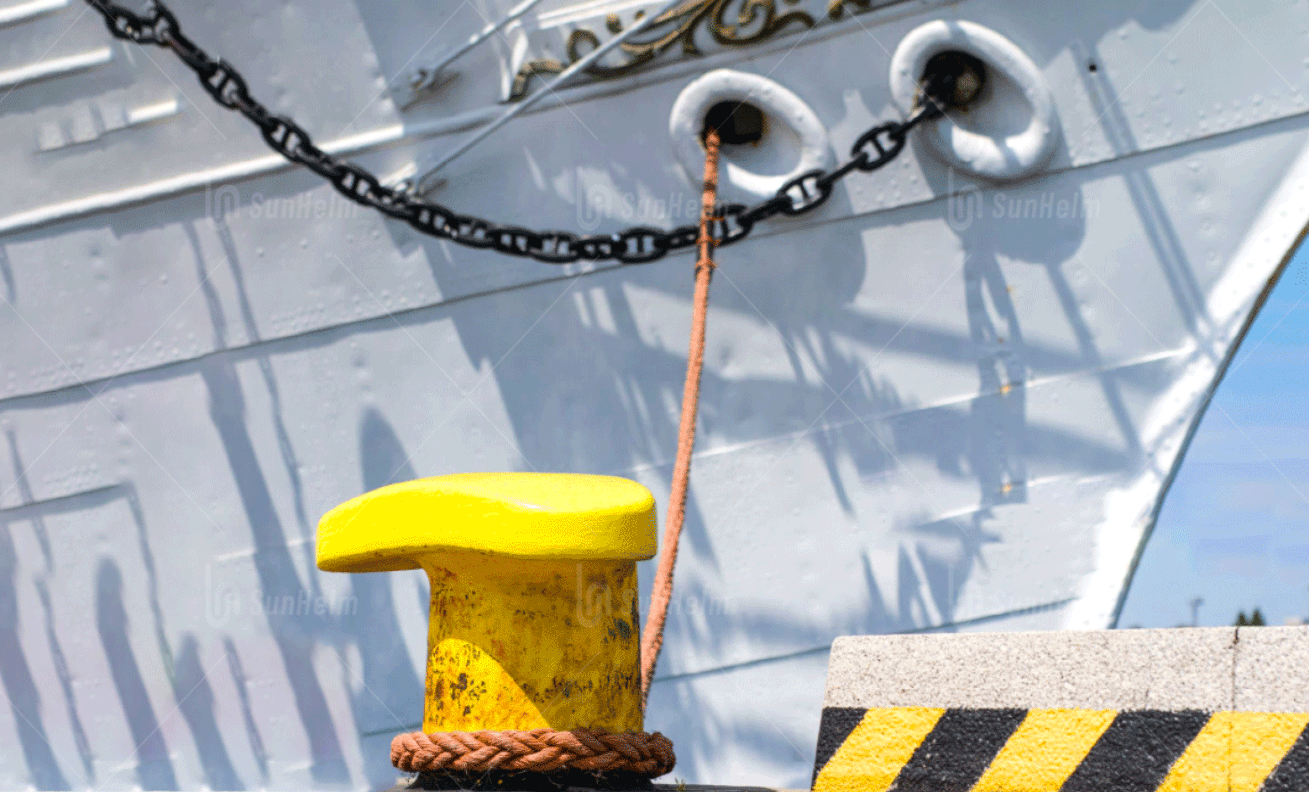


If you’re out on the water and see a buoy, it can be tempting to tie up and take a break. But is it legal to attach your boat to a mooring buoy?
The honest answer is: sometimes yes, sometimes no.
It depends on what type of buoy it is, who owns it, and local laws.
Let’s break it down in simple terms.
What Is a Mooring Buoy?
A mooring buoy is a floating ball connected to an anchor system on the seabed. It lets boats tie up without dropping an anchor.
You’ll usually see three main types:
- Public mooring buoys
- Private mooring buoys
- Navigation buoys (these are NOT for tying to)
Knowing the difference is very important.
The Big Rule: Never Tie to Navigation Buoys
In most places across the United States, tying your boat to a navigation buoy is illegal.
For example:
- In California, tying a vessel to any buoy except a designated mooring buoy can result in fines.
- Many states also ban attaching boats to government navigation aids like channel markers or hazard buoys.
- Boating safety guides clearly state you should never tie to navigation buoys unless they are specifically marked as mooring buoys.
Why? Because navigation buoys help keep boats safe. If someone ties to one, it can move or break it and create serious hazards.
What About Mooring Buoys?
Mooring buoys are different — but that doesn’t mean you can use any one you want.
Public Mooring Buoys
These are usually first-come, first-served or fee-based.
Some harbors allow short-term use, especially for visiting boats.
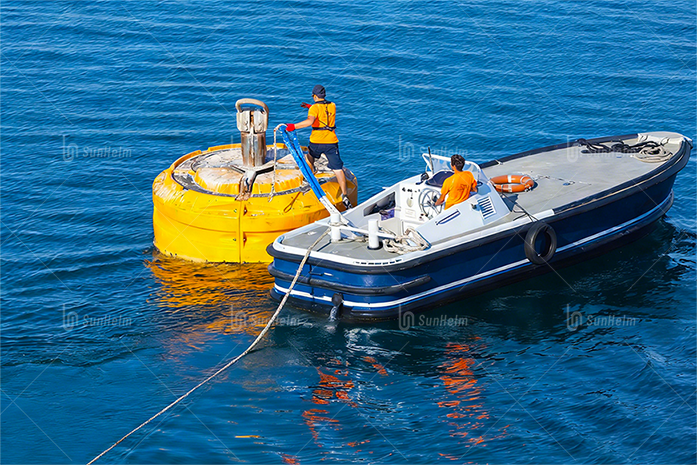
Private Mooring Buoys
These belong to someone — usually a boat owner with a permit.
In many harbors, you cannot use a mooring unless you have permission or a permit.
Some cities even allow harbor officials to remove your boat if you tie to someone else’s mooring.
Emergency Situations Are Different
Most laws allow temporary use if you are in danger, such as:
- Engine failure
- Storm conditions
- Medical emergency
But this is only for real emergencies — not convenience.
Why These Rules Exist
1. Safety
Buoys help guide boats and prevent accidents.
2. Property Protection
Private moorings cost money to install and maintain.
3. Navigation Protection
Federal law also makes it illegal to block navigable channels.
Risks Even If You Don’t Get Caught
Even if nobody stops you, tying to the wrong buoy can cause problems:
- The mooring might not hold your boat size
- You could damage expensive equipment
- You could be liable if something breaks
Best Practice for Boat Owners
When in doubt:
✔ Check buoy markings and colors
✔ Ask the harbor master
✔ Look for “mooring permitted” signs
✔ Anchor instead if you’re unsure
If a buoy is clearly a navigation aid, stay away from it.
Simple Rule to Remember
If it’s not clearly a mooring buoy for public use or assigned to you — don’t tie to it.
Conclusion
So, is it illegal to attach your boat to a mooring buoy?
Sometimes.
But these two rules keep you safe and legal:
- Don’t tie to navigation buoys
- Don’t use private moorings without permission
If you follow those, you’re usually fine.
FAQ
Can I tie my boat to any buoy if it’s not being used?
No. If it’s private or a navigation buoy, it’s usually illegal or against harbor rules.
How do I know if a buoy is a navigation buoy?
Navigation buoys usually have standard colors like red, green, or red-and-white stripes and may have lights or numbers.
Can I use a public mooring buoy overnight?
Sometimes. Many public moorings allow overnight use, but some require payment or time limits.
What happens if I tie to the wrong buoy?
You could get fined, removed, or held responsible for damage.
Can I tie to a buoy during an emergency?
Usually yes, if it is necessary for safety.