

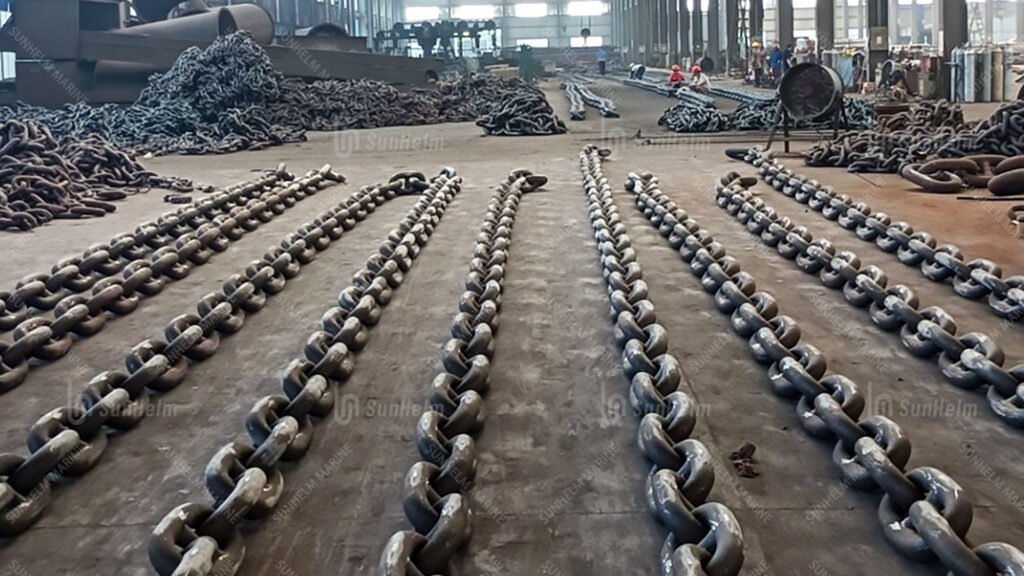
When it comes to mooring or anchoring your vessel, the anchor chain is what keeps everything secure. It’s not just a simple link between your boat and the anchor — it’s the main line of defense against drift, wind, and waves. Choosing the right size chain means safer mooring, less stress on your equipment, and peace of mind when the weather changes.
Why the Anchor Chain Matters
Your anchor chain absorbs the shock from waves and holds your boat steady in one place. If the chain is too small or too weak, it can snap or stretch — and once that happens, your anchor can’t do its job. For shipowners, a properly sized chain protects your vessel, crew, and investment.
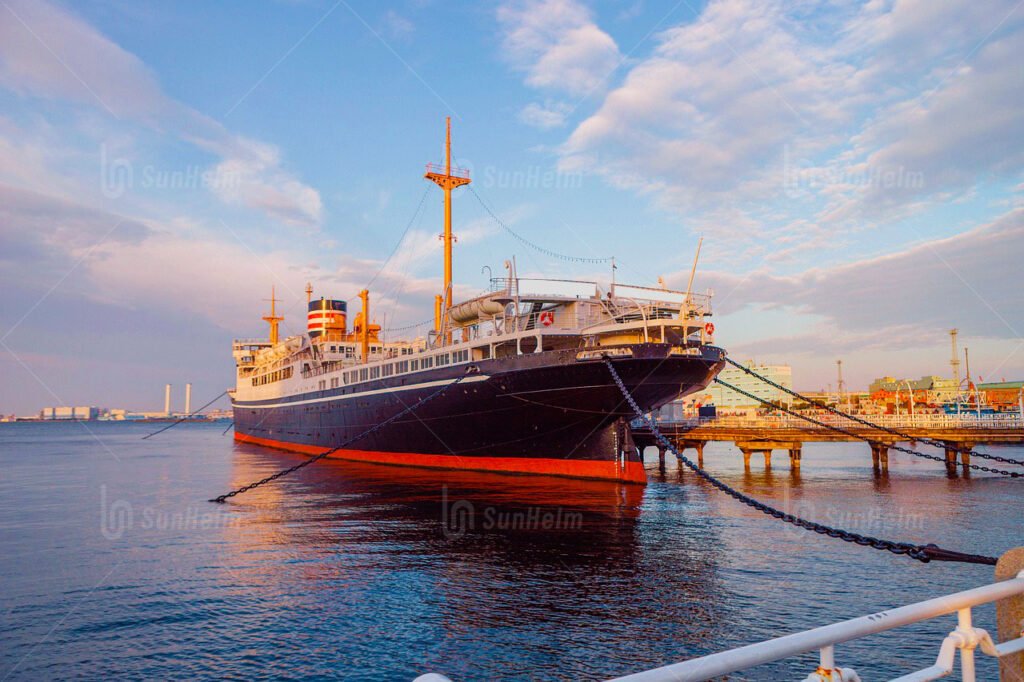
Key Factors That Decide Chain Size
Several things influence what size anchor chain you need. Let’s go over the most important ones:
1. Vessel size and displacement
Heavier vessels need stronger, thicker chains. Check your vessel’s displacement and use it as a baseline for chain selection. For example, a small fishing boat doesn’t need the same chain size as a 3,000-ton cargo ship.
2. Wind and sea conditions
If you often anchor in windy areas, strong currents, or rough seas, choose a thicker chain to handle extra tension. Mild conditions allow for lighter chain, but always leave some safety margin.
3. Chain grade
Anchor chains come in different grades — higher grades mean stronger steel, so you can use a thinner chain for the same strength. Always check the breaking load or working load limit (WLL) before buying.
4. Anchor windlass capacity
Your windlass or winch can handle only a certain chain diameter and weight. Check your windlass manual to make sure the chain size fits.
5. Depth and scope ratio
The scope (chain length vs. water depth) also matters. A longer chain lets the anchor lie flatter, improving grip. Most sailors use a ratio of 5:1 to 7:1 depending on sea conditions.
How to Choose the Right Size (Step-by-Step)
Here’s a simple checklist you can follow:
- Find your vessel’s displacement and anchor type.
- Estimate the maximum load from wind and current.
- Pick the chain grade you prefer (for small/medium vessels maybe Grade 43; for larger maybe Grade 70 or higher).
- Look up the recommended chain diameter for that grade (many classification societies publish tables).
- Make sure your windlass and anchor fittings match the chain size.
- Add a safety margin — better to oversize slightly than risk failure.
Common Mistakes to Avoid
Even experienced owners make these errors:
- Choosing chain size only by “feel” without checking specs
- Ignoring the chain grade
- Forgetting windlass compatibility
- Using mixed chain sections of different grades
- Skipping annual inspection
A wrong chain size can lead to wear, corrosion, and even anchor loss — all of which cost far more than buying the right chain from the start.
Chain Maintenance and Inspection Tips
- Rinse the chain after each use to remove salt and sand.
- Check for corrosion, cracks, or stretched links.
- Measure link length — if it’s elongated by more than ~3%, replace it.
- Re-galvanize if the protective coating wears off.
- Store in a dry, ventilated area to prevent rust.
Regular maintenance keeps your anchor chain strong and reliable for years.
Example: Small Vessel vs. Cargo Ship
- Small yacht (10–15 tons): 8–10 mm chain, Grade 30 or 43
- Fishing boat (50–80 tons): 12–14 mm chain, Grade 43 or 70
- Cargo vessel (1,000+ tons): 20–28 mm chain, Grade 70 or higher
This is just an example — always verify with technical data or your marine supplier.
Final Thoughts
The right anchor chain size depends on your vessel’s weight, environment, and mooring gear. Don’t rely on guesswork — get the numbers right and your ship will stay safe no matter the weather. If you’re unsure, contact a trusted marine chain supplier to help you select the perfect fit.
FAQs
1. Can I use a lighter chain for convenience?
Not recommended. A lighter chain might not handle sudden wind loads safely.
2. What’s the best chain grade for heavy boats?
Grade 70 or higher offers better strength with less weight.
3. How often should I replace my anchor chain?
Inspect yearly. Replace when corrosion, cracks, or elongation appear.
4. Can I mix old and new chain sections?
Avoid mixing. Different wear levels and grades can weaken the whole system.
5. Should I use a chain or rope combination?
Many small boats use rope + chain, but large vessels should rely on full chain rodes for stability.