

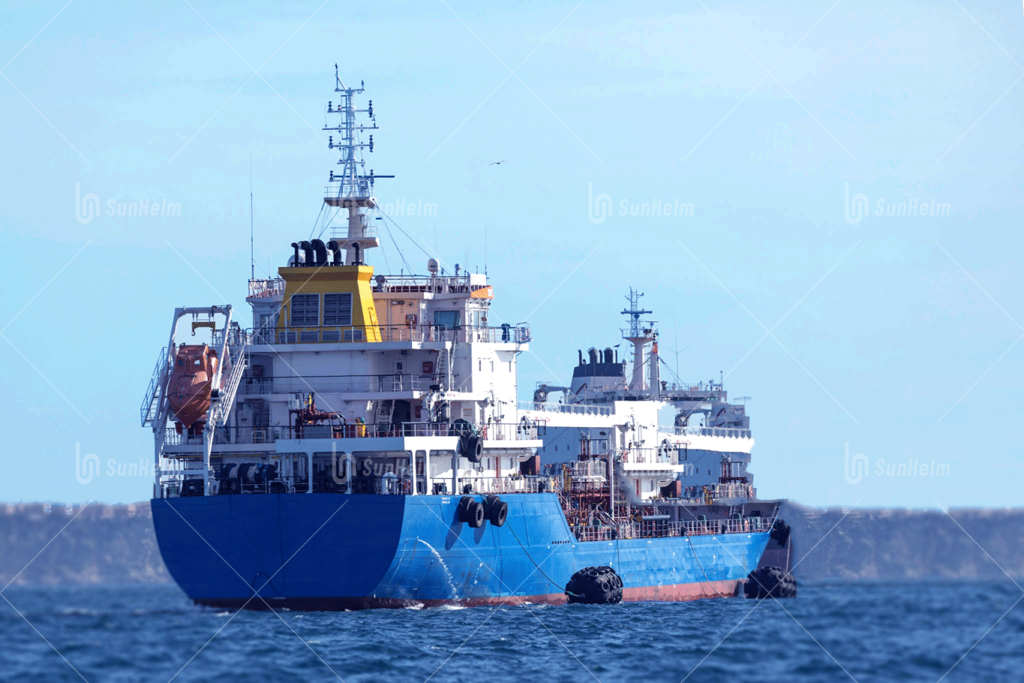
Ships may look complicated from the outside, but their basic structure is actually quite simple.
Almost every ship — whether it’s a cargo vessel, tanker, ferry, or offshore ship — is built around three main parts.
These three parts work together to keep the ship floating, stable, controllable, and safe.
Let’s break them down in a simple way.
1. The Hull — the body of the ship
The hull is the main body of the ship.
It is the part that sits in the water and keeps the ship floating.
It does several important jobs:
- Supports the weight of the ship, cargo, fuel, and equipment
- Keeps water out and protects the inside of the ship
- Gives the ship its shape and stability
Without the hull, there is no ship — just equipment with nowhere to go.
Simply put: the hull is the ship’s body.
2. The Superstructure — the top and working area
The superstructure is everything built on top of the main deck.
This includes:
- The bridge (where the ship is controlled)
- Crew accommodation (where people live and work)
- Communication and navigation rooms
It is where humans interact with the ship — navigating, monitoring systems, resting, and managing operations.
Simply put: the superstructure is the ship’s control center and living space.
3. The Machinery System — the power and movement part
The machinery system is what makes the ship move and turn.
It includes:
- The main engine
- Propeller and shaft system
- Steering gear and rudder
- Power generation systems
This system provides propulsion, steering, and electrical power.
Simply put: the machinery system is the ship’s muscle and nervous system.
Putting It All Together
Every ship depends on these three parts working together:
| Part | Main function |
|---|---|
| Hull | Floats and carries everything |
| Superstructure | Controls and supports people |
| Machinery system | Moves and powers the ship |
If one part fails, the whole ship cannot operate safely.
That’s why ship design always starts with these three core elements.
FAQ
What is the most important part of a ship?
All three are equally important. The hull allows the ship to float, the superstructure allows people to operate it, and the machinery system makes it move.
Is the hull always made of steel?
Most large commercial ships use steel hulls, but smaller boats may use aluminum, fiberglass, or wood.
Does the superstructure affect ship stability?
Yes. The weight and height of the superstructure influence the ship’s center of gravity and stability, so it must be carefully designed.
Is the engine part of the hull?
No. The engine belongs to the machinery system, even though it is physically located inside the hull.
Do all ships have the same three parts?
Yes. While the design and size differ, almost every ship follows this basic structure.