

Underwater air lift bags are widely used in marine salvage, underwater construction, ship recovery, and diving operations. They may look simple from the surface, but underwater lifting can become dangerous very quickly if the operation is not planned carefully.
A heavy object underwater does not always move the way people expect. Strong currents, trapped mud, uneven weight, or too much air inside the bag can suddenly change the balance of the lift. That is why professional dive teams spend a lot of time preparing before inflation even begins.
Good safety habits help protect divers, equipment, vessels, and the surrounding environment. In many cases, careful planning matters more than lifting power.
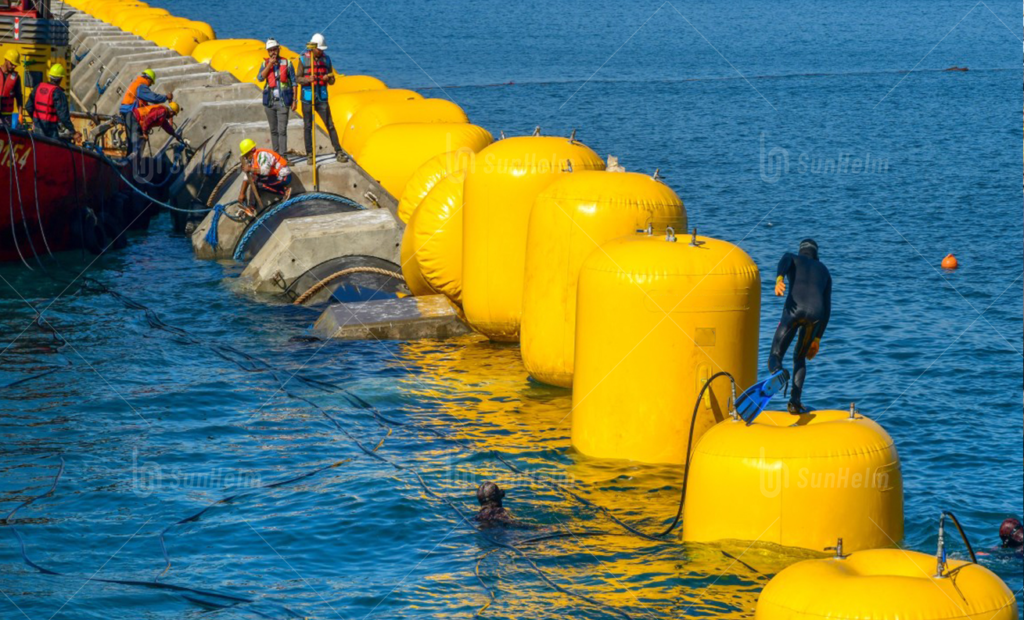
Start With a Full Equipment Inspection
Before any underwater lifting operation begins, every piece of equipment should be checked carefully.
The lift bags themselves should be inspected for cuts, worn seams, damaged straps, or leaking valves. Even small damage can become a serious problem once the bag is under pressure underwater.
The lifting gear also matters just as much as the bag. Shackles, chains, slings, hooks, and connection points should all be tested before the dive. Weak rigging can fail suddenly during lifting.
Air supply systems should also be checked. Divers normally test compressors, inflation hoses, and release valves before entering the water. Many experienced teams prepare backup air systems in case the main system stops working during the operation.
Skipping inspection steps may save a few minutes, but it can create major safety risks later.
Understand the Real Weight of the Object
One common mistake in underwater lifting is calculating the weight incorrectly.
Objects underwater may seem lighter because of buoyancy, but mud, trapped water, cargo, or marine growth can add extra weight. A sunken object may also shift during lifting, causing sudden imbalance.
Because of this, professional teams usually leave a safety margin instead of using the lift bag at its maximum rated capacity.
Using a bag that is too small can overload the equipment and increase the risk of failure.
Study the Water Conditions Before Diving
Underwater conditions can change lifting operations completely.
Strong currents may push suspended objects sideways. Poor visibility can make communication harder for divers. Rocky seabeds or debris fields can also create entanglement hazards.
Before the lift begins, dive teams usually check:
- Current speed
- Water depth
- Visibility
- Tide conditions
- Seabed type
- Nearby structures or obstacles
Calm water is always safer for underwater lifting work. In rough conditions, even experienced teams may delay the operation until the environment improves.
Build a Clear Lift Plan
Successful underwater lifting rarely happens without preparation.
Professional teams normally create a step-by-step lifting plan before entering the water. Everyone involved should understand their role clearly.
The plan often includes:
- Diver positions
- Inflation sequence
- Communication signals
- Emergency procedures
- Controlled ascent speed
- Surface monitoring tasks
When several lift bags are used together, coordination becomes even more important. Uneven inflation can make the object tilt or rotate unexpectedly.
Good communication between the surface crew and divers helps prevent confusion underwater.
Inflate Slowly and Carefully
One of the most important safety rules is simple: never inflate too fast.
Rapid inflation can make the object rise suddenly or become unstable. If the load tilts, the entire lift may become dangerous within seconds.
Most experienced operators add air slowly while constantly checking balance and movement. Small adjustments are much safer than large changes.
Divers also need to remember that air expands during ascent. As the lift bag moves toward shallower water, internal pressure changes naturally. Without careful control, the bag may over-expand.
This is why many teams stop at different depths during large lifts to release excess air and stabilize the load.
Keep Divers Away From Suspended Loads
Divers should never stay directly under a suspended object.
Even a controlled lift can become dangerous if rigging slips or balance changes suddenly. Loads may swing, rotate, or rise faster than expected.
Safe dive teams maintain clear escape paths and avoid standing near pinch points or tensioned rigging.
Snap-back zones are another serious hazard. If a line or sling breaks under tension, it can move violently underwater.
Good positioning saves lives during lifting operations.
Use Proper Rigging Techniques
Correct rigging helps distribute force evenly across the object being lifted.
If the lifting points are uneven, the load may tilt heavily to one side. Long or irregular objects often require multiple lift bags working together.
For example, lifting a section of pipe, wreckage, or underwater structure usually needs balanced attachment points along the entire object.
Guide lines are also commonly used to control movement during ascent. These lines help surface crews stabilize the load and reduce unwanted drifting.
Careful rigging creates smoother and safer lifting operations.
Prepare for Emergency Situations
Even well-planned underwater lifts can face unexpected problems.
A lift bag may rupture. Visibility may suddenly disappear. Currents may increase without warning. Rigging can become tangled around debris.
Because of this, emergency preparation is extremely important.
Professional teams often prepare:
- Backup lift bags
- Spare air hoses
- Emergency cutting tools
- Standby divers
- Controlled deflation procedures
Divers should also know how to stop the lift safely if conditions become unstable.
Fast decisions and calm communication are critical during underwater emergencies.
Maintain Lift Bags After Every Operation
Good maintenance helps extend the life of underwater air lift bags and improves long-term safety.
After each operation, the bags should be cleaned with fresh water to remove salt, sand, and marine growth. Leaving saltwater on the material for long periods may damage the surface over time.
The bags should also be dried properly before storage. Folding wet equipment carelessly can lead to material wear or mold problems.
Most professional operators also keep inspection records to track equipment condition after repeated lifting cycles.
Replacing worn parts early is much safer than waiting for failure underwater.
Common Mistakes That Create Safety Risks
Many underwater lifting accidents happen because of avoidable mistakes.
Some of the most common problems include:
- Overloading the lift bag
- Inflating too quickly
- Poor communication between divers
- Incorrect rigging setup
- Ignoring changing water conditions
- Skipping equipment inspections
- Standing too close to suspended loads
In underwater lifting, small mistakes can quickly become large problems.
Final Thoughts
Underwater air lift bags are powerful tools, but they must be used carefully and responsibly.
Safe lifting operations depend on planning, communication, proper rigging, and controlled inflation. Experienced dive teams understand that patience is often the key to a successful lift.
When equipment is inspected properly and every step is planned carefully, underwater air lift bags can handle difficult recovery and marine construction jobs safely and efficiently.
For professional marine operations, safety should never be treated as an optional step.