

Most people think fenders are made to stop hard hits. That is only part of the story. In many marinas and small berths, boats do not crash into structures. They touch, slide, and press as they move with the wind and current.
This is where a pontoon fender makes a real difference.
It is not built for big impact. It is built for safe, repeated contact.
Not All Docking Is About Impact
In busy water areas, especially with small boats, the real problem is not one strong hit. It is many small contacts.
You will often see:
- Boats resting against the dock
- Light side pressure from waves
- Small movements that never stop
Over time, this causes:
- Paint damage
- Scratches
- Edge wear
- Costly maintenance
A standard heavy-duty fender does not solve this well. It is too focused on impact, not contact.

Where Pontoon Fenders Actually Work Best
Floating Berths and Finger Piers
This is the most common use.
In marinas and private docks, boats sit between narrow spaces. They touch the sides often. Wind and water push them back and forth.
This creates constant rubbing.
The real issue is friction, not force.
A pontoon fender helps by:
- Creating a smooth, continuous surface
- Reducing direct hard contact
- Protecting both the boat and the dock edge
It allows the boat to stay close without damage.
Small Vessel Berths
Think about:
- Tugboats
- Small service boats
- Fishing vessels
These boats dock many times each day. Space is tight. Movements are not always perfect.
So what happens?
- The boat comes in at an angle
- It touches before it stops
- It slides along the structure
This is normal. It is not a mistake.
A pontoon fender adds tolerance to the system.
It helps by:
- Allowing light contact without damage
- Reducing scratches and edge impact
- Letting operators dock faster and with less stress
In simple terms, it makes docking more forgiving.
Why Traditional Fender Thinking Fails Here
Many systems are designed for large vessels. They focus on:
- Energy absorption
- High impact resistance
But in these smaller, floating setups:
- Impact is low
- Contact is frequent
If you use the wrong type of fender:
- It may be too hard
- Contact points may be uneven
- Surfaces may increase wear instead of reducing it
That leads to more damage, not less.
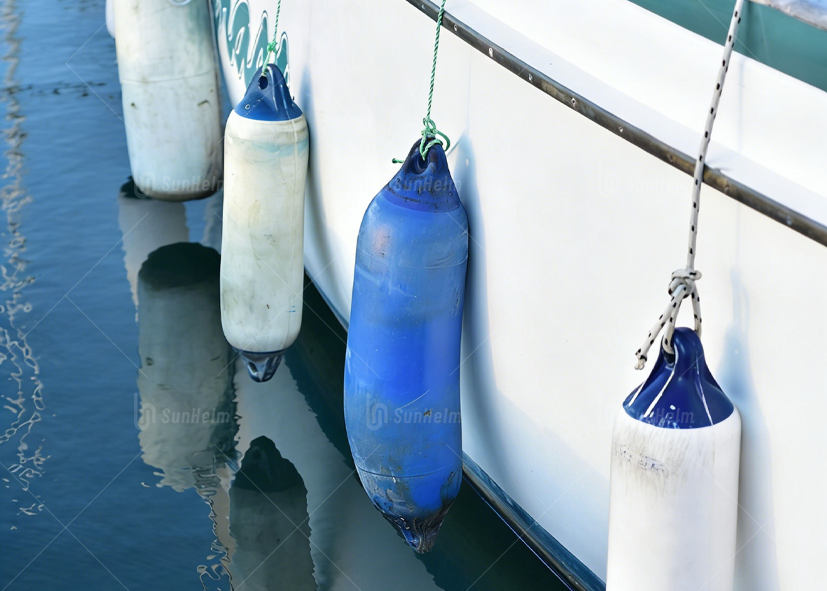
What a Pontoon Fender Really Changes
A good pontoon fender does not just “protect.”
It improves the whole docking process.
It turns:
- Random contact → controlled contact
- Point pressure → distributed pressure
- Rough contact → smooth contact
The result is simple:
- Less wear
- Less repair
- More stable docking
How to Choose the Right Pontoon Fender
Do not focus only on energy ratings. That is not the key here.
Look at:
- Surface material (must resist wear)
- Contact design (should be continuous, not segmented)
- Flexibility for side contact
- Fit with floating structures
The best systems are designed for movement, not just impact.
Final Thought
Pontoon fenders are not built to stop boats.
They are built to let boats stay in contact safely, again and again, without damage.
That is what modern docking really needs.
If you are working with floating docks or high-frequency berthing, choosing the right solution matters. A well-designed system can reduce long-term cost and improve daily operations.
sunhelmmarine offers pontoon fender solutions built for real working conditions, where contact is constant and reliability matters.