

Floating buoys are essential for navigation, marking, measurement, and mooring in maritime environments. Two popular types in the market are PE buoys and foam buoys. Choosing the right type depends on factors like environment, durability, cost, and purpose. This article provides a clear comparison to help you make the right choice.
PE Buoy (High-Density Polyethylene Buoy)
Material and Structure
Manufacturers produce PE buoys using high-density polyethylene (HDPE) and engineer them with a hollow or partially filled design. They also fill certain models with air or water to enhance stability. They are resistant to corrosion, UV radiation, and harsh marine conditions.
Key Features
- Can withstand heavy collisions and strong sea currents
- Durable and suitable for long-term deployment
- Requires minimal maintenance due to resistance to saltwater and sunlight
Typical Applications
- Navigation markers in ports or open seas
- Floating platforms and mooring systems
- Areas with strong currents or frequent vessel traffic
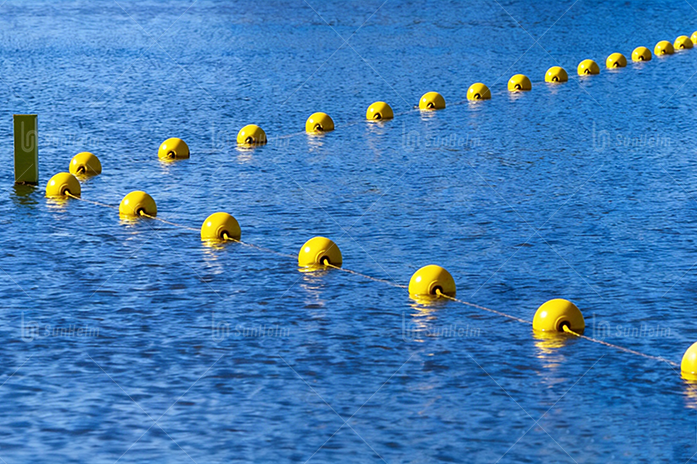
Foam Buoy
Material and Structure
Manufacturers build foam buoys using closed-cell foam cores and apply a polyethylene or polyurethane coating for added protection. The foam does not absorb water, so the buoy maintains consistent buoyancy even when the outer coating is scratched.
Key Features
- Lightweight and provides high buoyancy without additional design adjustments
- Remains operational even if the outer layer is damaged
- Cost-effective solution for short-term or temporary deployments
Typical Applications
- Recreational water markers
- Shallow water or protected areas
- Temporary construction or project sites
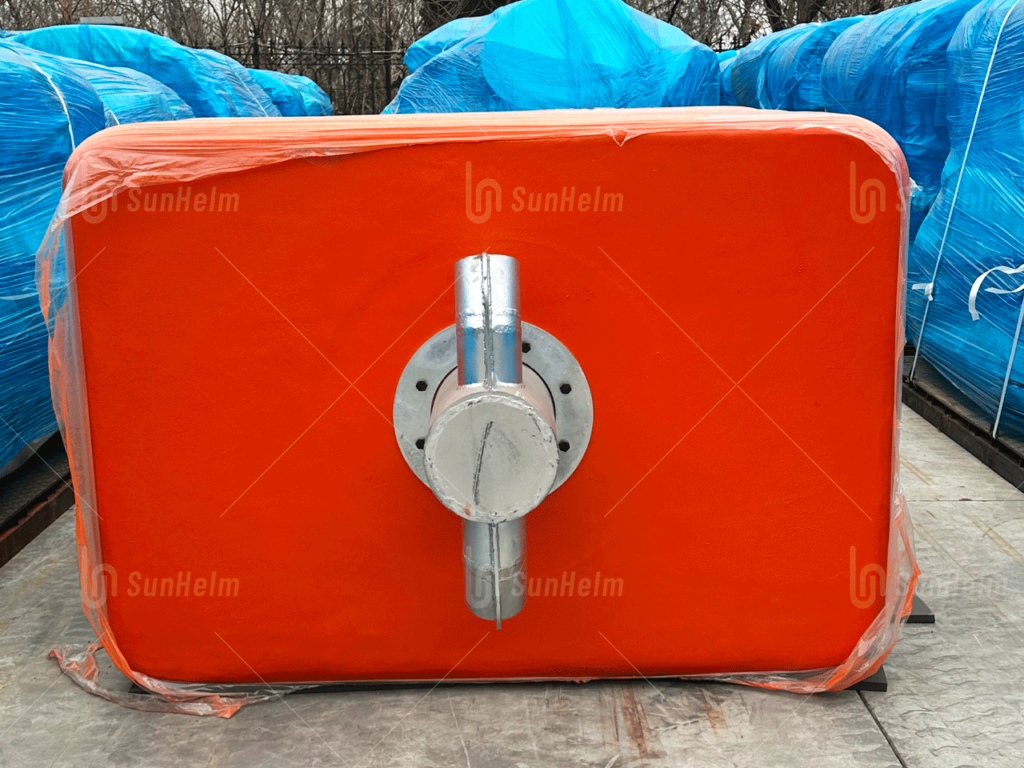
PE Buoy vs Foam Buoy – Detailed Comparison
| Feature | PE Buoy | Foam Buoy |
|---|---|---|
| Material | High-density polyethylene (HDPE) | Closed-cell foam with polyethylene/polyurethane coating |
| Resistance to Wear and Impact | Can withstand strong waves and heavy object impacts | Can tolerate minor collisions, not suitable for heavy loads |
| Buoyancy | Moderate; designed according to size and weight | Large; usually sufficient for most loads without design adjustment |
| Cost | Higher; suitable for long-term use | Lower; suitable for short-term or temporary use |
| Maintenance | Low; resistant to corrosion and UV | Requires periodic inspection of coating to prevent foam exposure |
| Lifespan | 10–20 years | 5–10 years |
| Typical Use Environment | Strong currents or long-term maritime deployment | Shallow water, temporary projects, or light-duty use |
How to Choose Between PE and Foam Buoys
- Environmental Conditions: Consider sea current, UV exposure, and saltwater corrosion. PE buoys perform better in harsh conditions.
- Budget and Duration: Foam buoys are cost-effective for temporary projects, while PE buoys are better for long-term installations.
- Safety and Regulations: Some regions require specific buoy types for navigation or mooring. Verify local maritime standards.
FAQ
Q1: Can foam buoys leak or lose buoyancy?
A1: Manufacturers make foam buoys from closed-cell foam, which does not absorb water. Even if the coating gets damaged, the foam maintains stable buoyancy.
Q2: Are PE buoys suitable for icy or cold environments?
A2: Yes. HDPE retains its strength and flexibility at low temperatures, making PE buoys suitable for colder climates.
Q3: Which buoy is better for temporary construction projects?
A3: Foam buoys are ideal for short-term or temporary projects due to their low cost and high buoyancy.
Q4: How often should buoys be maintained?
A4: PE buoys require minimal maintenance. Foam buoys need regular inspection to ensure the outer coating remains intact and the foam is not exposed.
Conclusion
Both PE buoys and foam buoys have clear strengths and suitable applications.
- PE buoys are ideal for long-term deployment, areas with strong currents, and heavy-duty applications.
- Foam buoys are perfect for short-term projects, shallow waters, or temporary installations where cost and buoyancy are key considerations.
By understanding the differences, you can select the buoy type that ensures safety, durability, and efficiency for your maritime operations.