

1. Start with materials, not price
Many buyers ask for a quote first. That’s normal, but it often leads to problems later. What really matters is how long the buoy will last.
Most reliable manufacturers use:
- Rotomolded polyethylene
- Polyurethane shells
- Closed-cell foam filling
These materials are popular for a reason. They can handle sun, saltwater, and heavy impact. A foam filled buoy will not sink even if the outer shell is damaged.
If a supplier only talks about color or appearance but cannot explain the material, that is a warning sign.
2. Make sure the buoy meets international standards
A navigation buoy is not just a floating object. It is part of a safety system.
Good manufacturers follow:
- IALA guidelines
- SOLAS rules
These standards control things like color, shape, and visibility.
Always ask for real project examples, not just certificates. A document is easy to send. A real case is harder to fake.
3. Foam filled or hollow? This choice matters
This is one detail many buyers miss.
There are two common designs:
- Hollow buoy
- Foam filled buoy
A foam filled buoy is usually the safer option:
- No water leakage
- Better impact resistance
- Lower maintenance over time
A hollow buoy may cost less at the beginning, but it can crack or take in water after long use.

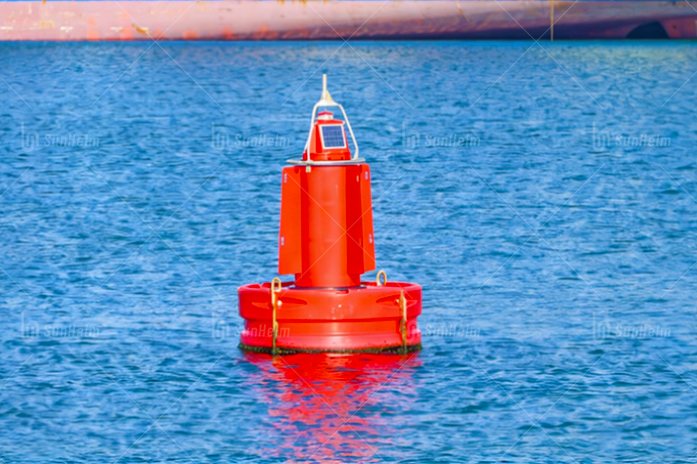
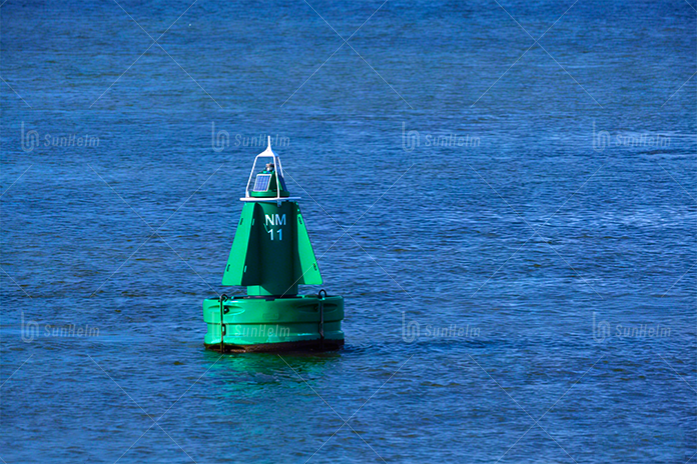
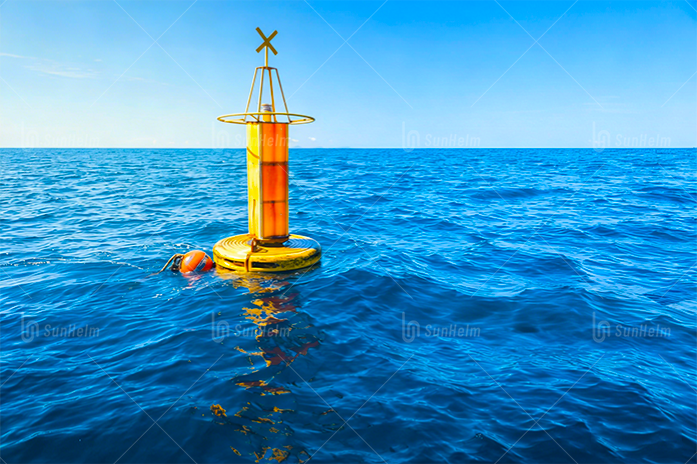
4. Can the manufacturer customize for your project?
Most projects are not standard. A good manufacturer should adjust the design based on your needs.
Common customization includes:
- Colors for navigation buoy systems
- Logos or markings
- Mooring hardware for mooring buoy setups
- Solar lights or tracking devices
If a supplier only offers fixed sizes and no changes, they may not be the right fit for engineering projects.
5. Do they actually manufacture the buoy themselves?
This is a simple but important question.
Some companies are only traders. They do not control production.
A reliable manufacturer usually has:
- In-house production
- Their own molds and tooling
- Testing equipment
This leads to better quality control and faster support when something goes wrong.
You can just ask: “Is everything produced in your factory?”
6. Real project experience matters more than marketing
A strong track record is one of the best signs of a reliable supplier.
Look for:
- Port or offshore projects
- Export experience
- Long-term use cases
For example, companies like Sealite and Walsh Marine Products are known for navigation buoy and foam filled buoy solutions.
At the same time, manufacturers like Sunhelmmarine focus on practical engineering needs, offering durable foam filled buoy and mooring buoy systems designed for real working conditions.
Do not focus only on brand size. Focus on whether they have done projects similar to yours.
7. Technical support will save you time later
After installation, questions always come up.
A good manufacturer should provide:
- Technical data sheets
- Installation guides
- Mooring suggestions
- Warranty details
Without this support, even a good buoy can become a problem.
8. Compare prices at the end, not the beginning
Once you understand materials, design, and support, then compare prices.
If you compare too early, you may end up choosing:
- Short-life products
- Weak structures
- Inexperienced suppliers
A slightly higher price often means lower long-term cost.
9. Final thought
You are not just buying a buoy.
You are choosing a partner who will affect your project safety, maintenance cost, and long-term performance.
FAQ
1. What is the best material for a buoy?
Rotomolded polyethylene and polyurethane are widely used. They are strong, UV-resistant, and suitable for marine environments.
2. Why choose a foam filled buoy?
A foam filled buoy will not sink even if damaged. It also needs less maintenance compared to hollow designs.
3. What is the difference between a navigation buoy and a mooring buoy?
A navigation buoy is used for marking channels and hazards. A mooring buoy is used to secure vessels in place.
4. How long does a buoy usually last?
With good materials and design, a buoy can last 5–15 years depending on the environment.
5. Do all buoy manufacturers follow international standards?
No. Always confirm compliance with IALA and SOLAS, especially for navigation buoy projects.