

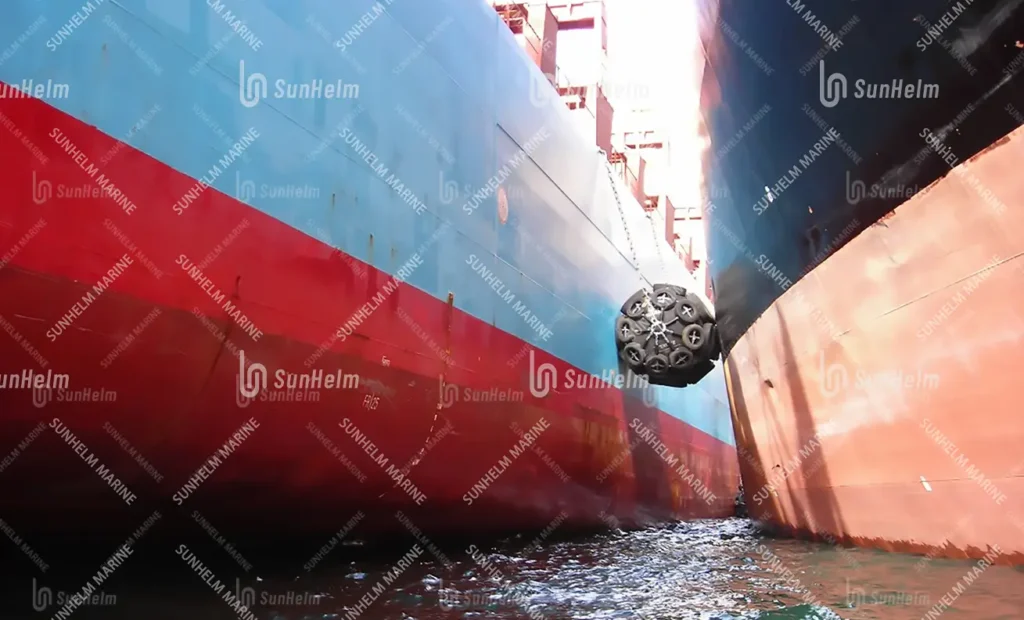
Ship-to-Ship transfer, often called STS, is the process of moving cargo from one vessel to another while both ships stay at sea or at anchorage. It is a common operation in the maritime industry, especially for oil, LNG, chemicals, and bulk cargo. STS helps companies work faster, reduce port costs, and improve fleet flexibility.
In this article, we will walk through what STS is, why it is important, the key equipment involved, and the safety points you must consider.
Why STS Operations Matter
Many businesses choose STS because it offers real commercial and operational benefits:
1. Lower operational costs
Ships do not need to enter a port, which means lower port fees, fewer delays, and faster turnaround times.
2. More flexibility
STS can be arranged at anchorages, offshore areas, or designated STS zones. This flexibility is especially valuable for oil traders and ship owners who must respond quickly to market changes.
3. Larger transfer capacity
Some ports cannot handle very large crude carriers (VLCCs). With STS, a large ship can stay offshore and transfer cargo to smaller vessels.
4. Better scheduling
STS helps avoid congestion in busy ports and gives companies more control over when and where the transfer happens.
How an STS Operation Works
A standard STS operation includes the following steps:
1. Pre-operation planning
The operator checks weather, sea conditions, traffic, vessel compatibility, and safety rules. STS locations must have calm conditions and enough sea space.
2. Mooring and approach
The maneuver is led by experienced pilots or mooring masters. One vessel stays as the “mother ship,” and the other slowly approaches using tugs if needed.
3. Deployment of fenders
Pneumatic fenders—large air-filled rubber fenders—are placed between the vessels. They absorb impact and prevent damage during the transfer.
4. Hose connection
Cargo hoses (oil hose, LNG hose, or dry bulk hose) are connected between the ships. The crew performs pressure checks and safety inspections.
5. Cargo transfer
Pumps move the cargo from one ship to the other at a controlled rate. Both crews monitor flow, pressure, and temperature in real time.
6. Completion and disconnection
Once the cargo transfer is finished, hoses are disconnected, fenders are recovered, and the vessels safely separate.
Key Equipment Used in STS Operations
1. Pneumatic fenders
These are essential for protecting both hulls during STS. They provide high energy absorption and stable performance, even in uneven seas.
2. STS hoses
Special hoses handle oil, chemicals, LNG, or dry bulk. They must meet international standards such as OCIMF or EN.
3. Mooring equipment
Lines, winches, hooks, and chafe chains keep both vessels safely in position.
4. Support boats
Tugs, service boats, and fender boats help with mooring and positioning.
Safety Requirements for STS
STS has strict global safety standards because it involves two vessels operating very close to each other. Key safety points include:
- Trained mooring masters supervising the operation
- Proper deployment of pneumatic fenders
- Continuous communication between both bridges
- Forecast monitoring for wind, waves, and currents
- Regular inspection of hoses and deck equipment
- Compliance with OCIMF guidelines and local maritime rules
A well-managed STS minimizes risk and ensures smooth cargo movement.
Common STS Applications
- Crude oil and refined oil transfer
- LNG and LPG transfer
- Chemical cargo
- Bunkering operations
- Transloading bulk cargo
- Lightering operations for large vessels
Conclusion
STS (Ship-to-Ship transfer) is a fast, flexible, and cost-efficient way to move cargo between vessels without entering port. For port operators, oil companies, and logistics managers, STS offers huge advantages in efficiency and scheduling. With proper planning, good equipment, and strict safety control, STS becomes a reliable solution for modern maritime operations.