

Project Background
In 2024, a bulk cargo terminal in Southeast Asia faced increasing challenges during vessel berthing operations. The terminal handled more than 200 vessel calls each year, including bulk carriers ranging from 20,000 DWT to 80,000 DWT.
The existing fender system had been in service for over 15 years. As vessel sizes increased, the port began noticing several problems:
- Frequent damage to old fenders
- Higher maintenance costs
- Increased stress on quay structures
- Difficulty accommodating larger vessels during rough weather
According to the terminal’s maintenance manager:
“We were spending more time repairing the fender system than we expected. Some vessels were arriving with higher berthing energy than the original design allowed.”
The terminal decided to upgrade its berth protection system during a scheduled infrastructure improvement project.
Why the Port Chose Cell Fenders
After evaluating several fender types, including cylindrical fenders and cone fenders, the engineering team selected Cell Fenders for the following reasons:
High Energy Absorption
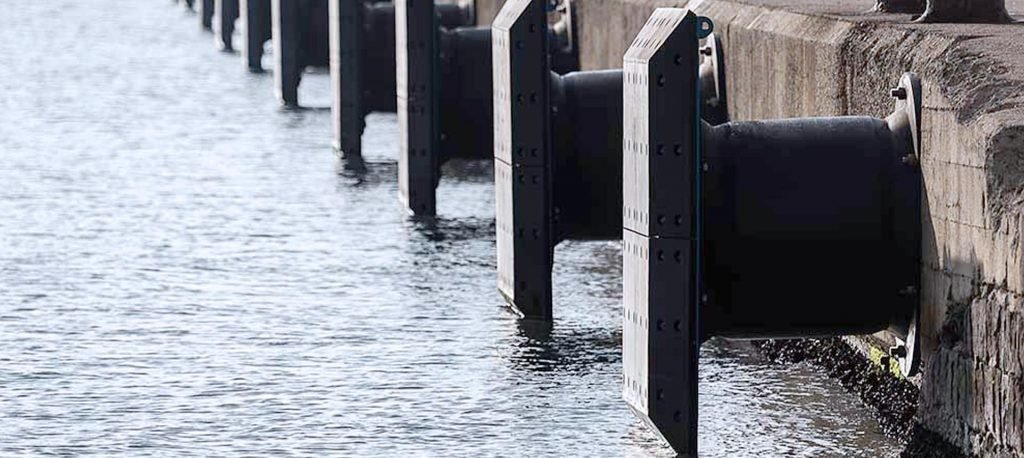
The terminal regularly receives heavily loaded bulk carriers. Cell fenders provide high energy absorption while maintaining relatively low reaction force, helping protect both vessels and quay structures.
Long Service Life
The port required a solution capable of operating continuously in a tropical marine environment with strong UV exposure and saltwater corrosion.
Compatibility with Front Panels
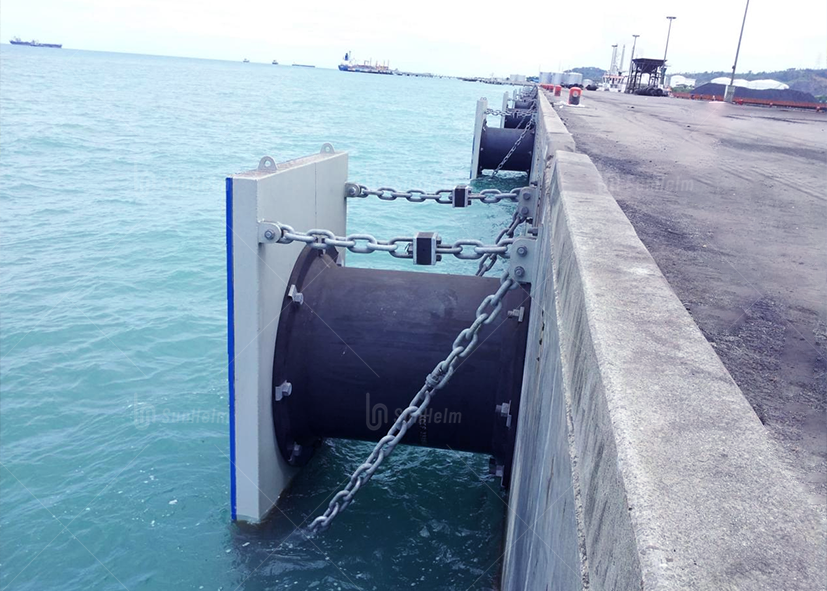
The selected design included UHMW-PE faced steel panels. This configuration helps distribute vessel loads more evenly and reduces hull pressure during berthing.
Proven Track Record
The engineering consultant had previously specified cell fenders for several commercial ports in the region and was familiar with their performance.
Installation Process
The project involved replacing the existing berth protection system with:
- 24 Cell Fenders
- Steel frontal panels
- UHMW-PE facing pads
- Galvanized chains and accessories
Installation was completed during a planned maintenance shutdown to minimize disruption to port operations.
The project engineer commented:
“The installation process was straightforward. The modular design allowed our contractor to complete the work within the planned schedule.”
Performance After One Year
After approximately twelve months of operation, the terminal conducted an internal review of the upgraded berth.
Improved Berthing Safety
The port reported smoother vessel contact during berthing operations, particularly when handling larger bulk carriers.
Pilots noted that vessel impact forces appeared better controlled compared with the previous fender system.
Reduced Maintenance Requirements
Maintenance records showed a significant reduction in routine repair work.
According to the maintenance team:
“We have not experienced any major damage since installation. Routine inspections are still necessary, but repair work has been minimal.”
Better Load Distribution
The combination of cell fenders and frontal panels helped spread berthing loads across a larger contact area.
This reduced localized pressure on vessel hulls and improved overall berthing performance.
Increased Operational Confidence
Terminal operators reported greater confidence when handling larger vessels during periods of moderate wave activity.
The operations manager stated:
“The new system gives us more flexibility. We are more comfortable accommodating different vessel sizes at the berth.”
Key Results
After one year of operation, the terminal observed:
| Item | Before Upgrade | After Upgrade |
|---|---|---|
| Fender Repairs | Frequent | Minimal |
| Vessel Compatibility | Limited | Improved |
| Maintenance Workload | High | Lower |
| Berthing Confidence | Moderate | Higher |
| Operational Downtime | Occasional | Reduced |
Lessons Learned
The terminal identified several factors that contributed to the project’s success:
- Proper berthing energy calculations before equipment selection.
- Use of frontal panels to distribute loads more effectively.
- Regular inspection of chains, pads, and mounting hardware.
- Selection of a fender type suitable for future vessel growth.
The engineering team emphasized that choosing the correct fender system based on actual vessel traffic patterns was more important than simply selecting the largest available fender.
Conclusion
For ports handling medium to large commercial vessels, Cell Fenders remain one of the most reliable berth protection solutions available.
In this project, the upgraded cell fender system helped improve berthing safety, reduce maintenance requirements, and increase operational confidence without major changes to the existing quay structure.
While every port has different requirements, this case demonstrates how a properly designed Cell Fender system can provide long-term value in demanding commercial port environments.