


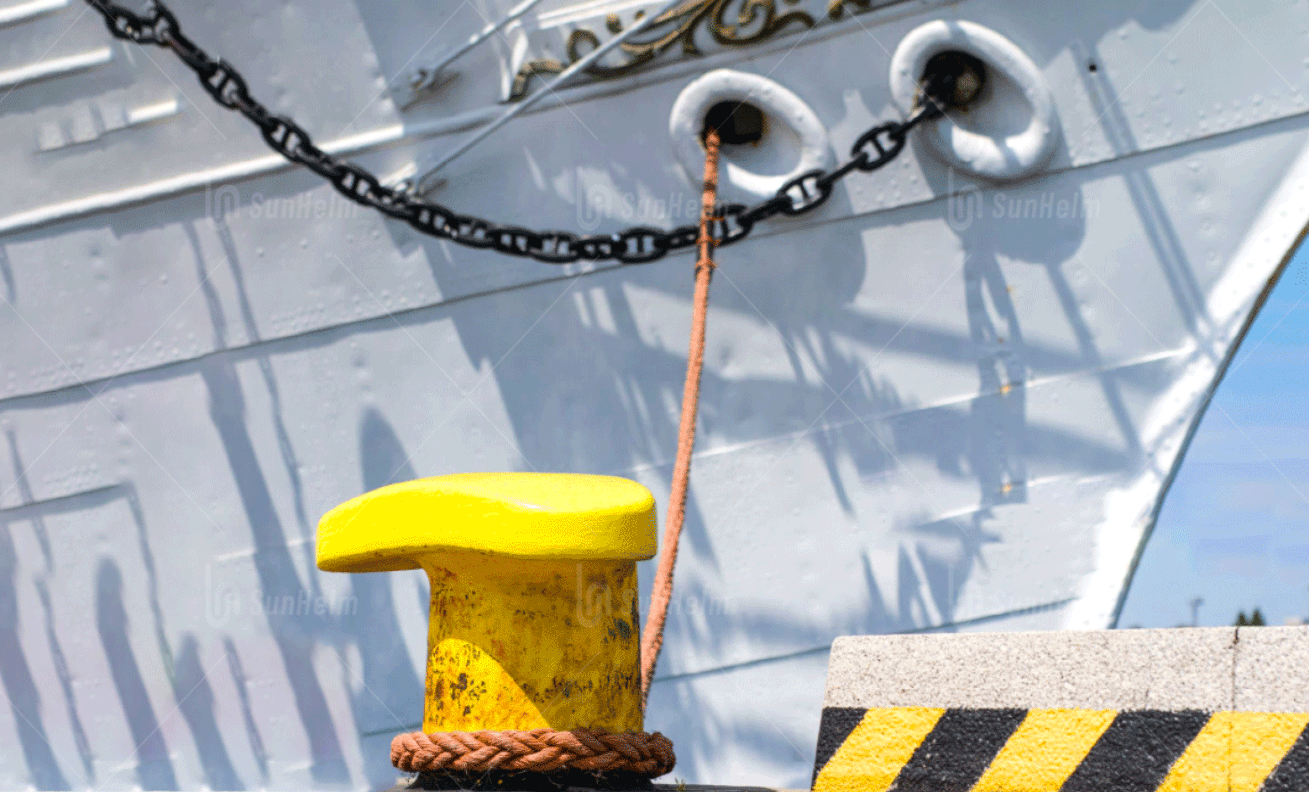


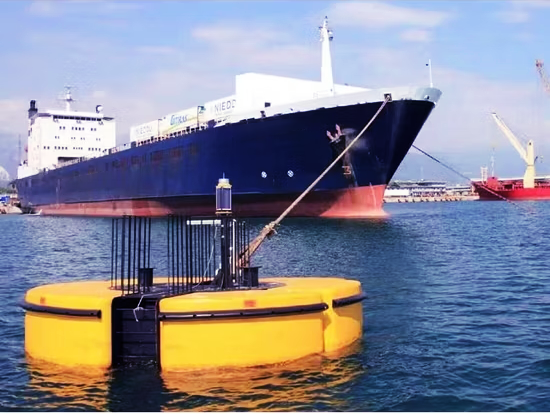
When you are out on the water, a buoy looks like an easy place to secure your boat. But here is the truth: not every buoy is legal or safe to tie to. In many regions, tying your vessel to the wrong buoy can lead to fines, damage claims, and serious navigation hazards.
This guide explains how to tell which marine buoys you can use, how local rules work, and how to stay safe when mooring.
What Exactly Is a Buoy?
A buoy is a floating marker fixed to the seabed. Different buoys serve different purposes, and understanding the differences is key to staying legal.
Common Types of Marine Buoys
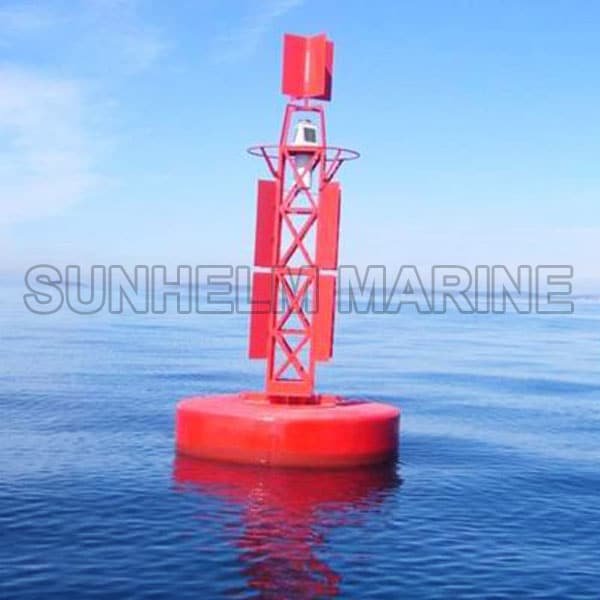
- Navigation buoys – Lead boats through safe channels, mark hazards, or show traffic flow. These are usually colored red/green, can have lights, numbers, or shapes like cans and nuns.
You cannot tie to these. - Mooring buoys (mooring balls) – Designed specifically for tying boats. Usually white with a blue stripe or marked with “MOORING”.
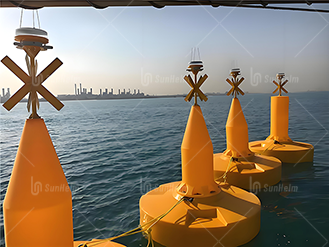
- Warning / special-purpose buoys – Mark swim zones, military areas, dredging zones, cables, anchorage limits, or restricted zones.
- Research or private buoys – Used by scientific teams, private dock owners, or commercial operators.
If the buoy is not clearly a mooring buoy, don’t tie to it.


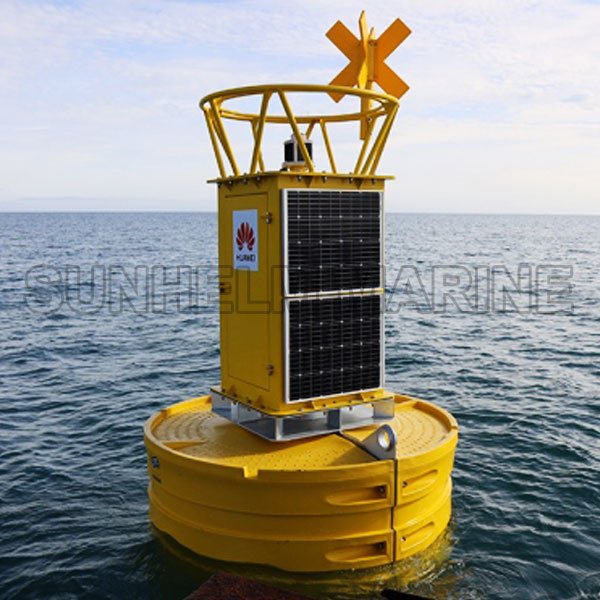
Are You Allowed to Tie to Any Buoy? Understanding the Legal Side
The simple rule is:
You may only tie to a designated mooring buoy.
Local laws, coast guard rules, and harbor authority regulations all repeat this rule. Navigation buoys and special-purpose buoys are important safety aids. If boats tie to them:
- the buoy may drift off position
- the buoy may no longer show safe water
- you may block the channel
- accidents may happen
Many areas treat improper buoy use as a violation, and fines can be issued. Some ports may even charge for damage to the buoy or to the anchor chain below.
Why Mooring Buoys Are Different
Mooring buoys have underwater gear designed to hold a vessel’s load:
- heavy-duty chains
- anchors or concrete blocks
- swivels
- certified lifting eyes
Other buoys are not built for this. Tying to a navigation buoy can snap the chain or drag the buoy off station.
Local Differences Matter
Laws vary between:
- countries
- coastal states
- harbors
- marine parks
- private marinas
Some places require:
- a permit to use a public mooring
- payment for using a mooring field
- advance booking during peak season
- limits on vessel size or tonnage
If you are unsure, the best contact is the harbor master or local marine authority.
How to Identify a Legal Mooring Buoy
You can usually spot a mooring buoy by:
- white body with a blue horizontal band (very common standard)
- clear text like “MOORING”, “MB”, or a registration number
- a pickup line, eye bolt, or metal ring on top
- being placed inside a recognized mooring field
Navigation buoys normally have:
- red or green color
- numbers
- lights or bells
- tall shapes or fixed structures
If it looks like a navigational aid, do not tie to it.
When in doubt, check:
- the local chart
- the Notice to Mariners
- harbor authority announcements
- marina or port maps
Private Mooring Buoys: Can You Use Them?
Often, you cannot legally use a private buoy unless:
- you are the owner
- you are invited
- you pay for the mooring
- the area’s rules allow temporary use
Private buoys may belong to:
- homeowners
- yacht clubs
- marinas
- commercial vessels
- research teams
Using someone else’s mooring without permission may be treated as unauthorized use of property. In some regions, you may be liable for any damage to the buoy gear, even if it was already worn out.
Etiquette
If you truly must use a private mooring in an emergency, follow standard seamanship:
- notify the harbor master
- notify the owner if known
- leave as soon as safely possible
Safety Checklist Before You Tie to a Mooring Buoy
Even legal moorings need inspection. Before you secure your boat:
- Confirm it’s a mooring buoy (color, markings, charts).
- Check the pickup line and eye for cuts, corrosion, or frayed fibers.
- Look at surrounding swing radius so you don’t collide with nearby boats.
- Consider tide, wind, and current—your boat may swing harder than expected.
- Use two lines from the bow cleats for balanced load.
- Install chafe protection on your mooring lines.
- Avoid tying to floating line loops that look weak or temporary.
A quick check can prevent groundings and breakaways.
Common Misunderstandings and Risks
Misunderstanding 1: “If the buoy is floating, I can use it.”
Wrong. Navigation and special-purpose buoys are never for tying.
Misunderstanding 2: “It’s only for a few minutes, so it’s fine.”
Even short stops can damage the buoy or disrupt navigation.
Misunderstanding 3: “The buoy looks strong enough.”
Appearance does not guarantee strength. Only mooring buoys have proper load ratings.
Legal and Financial Risks
- Harbor authority fines
- Coast Guard violations
- Damage claims for a displaced buoy
- Liability if another vessel hits you or the buoy
- Environmental penalties in marine protected areas
What If No Mooring Buoys Are Available?
Here are safer alternatives:
- Drop anchor outside restricted or no-anchoring zones.
- Use a marina slip or a temporary dock.
- Request a temporary mooring from the harbor master.
- Move to deeper water to avoid coral or sensitive seabeds.
Many marine parks prefer boats to use official mooring buoys instead of anchoring to protect coral reefs. Always check local rules before anchoring.
FAQ
1. Can I tie to any buoy if I just need to stop for a moment?
No. Only tie to a mooring buoy. Navigation and warning buoys are off-limits.
2. How can I be sure a buoy is for mooring?
Check its color, markings, the chart, or ask the harbor master.
3. Are mooring buoys free to use?
Some are free, especially in public mooring fields. Others require payment or a permit.
4. Can I tie to a private buoy if nobody is using it?
No. It is private property unless you have permission.
5. Who is responsible if the mooring line breaks?
Responsibility varies. In many regions, the vessel operator is responsible for checking the buoy’s condition before securing the boat.
6. Is anchoring safer than mooring?
Not always. A certified mooring buoy is often safer than anchoring in crowded or sensitive areas.
{ “@context”: “https://schema.org”, “@type”: “FAQPage”, “mainEntity”: [ { “@type”: “Question”, “name”: “Can I tie to any buoy if I just need to stop for a moment?”, “acceptedAnswer”: { “@type”: “Answer”, “text”: “No. Only tie to a mooring buoy. Navigation and warning buoys are off-limits.” } }, { “@type”: “Question”, “name”: “How can I be sure a buoy is for mooring?”, “acceptedAnswer”: { “@type”: “Answer”, “text”: “Check its color, markings, the chart, or ask the harbor master.” } }, { “@type”: “Question”, “name”: “Are mooring buoys free to use?”, “acceptedAnswer”: { “@type”: “Answer”, “text”: “Some are free, especially in public mooring fields. Others require payment or a permit.” } }, { “@type”: “Question”, “name”: “Can I tie to a private buoy if nobody is using it?”, “acceptedAnswer”: { “@type”: “Answer”, “text”: “No. It is private property unless you have permission.” } }, { “@type”: “Question”, “name”: “Who is responsible if the mooring line breaks?”, “acceptedAnswer”: { “@type”: “Answer”, “text”: “Responsibility varies. In many regions, the vessel operator is responsible for checking the buoy’s condition before securing the boat.” } }, { “@type”: “Question”, “name”: “Is anchoring safer than mooring?”, “acceptedAnswer”: { “@type”: “Answer”, “text”: “Not always. A certified mooring buoy is often safer than anchoring in crowded or sensitive areas.” } } ] }