




Introduction
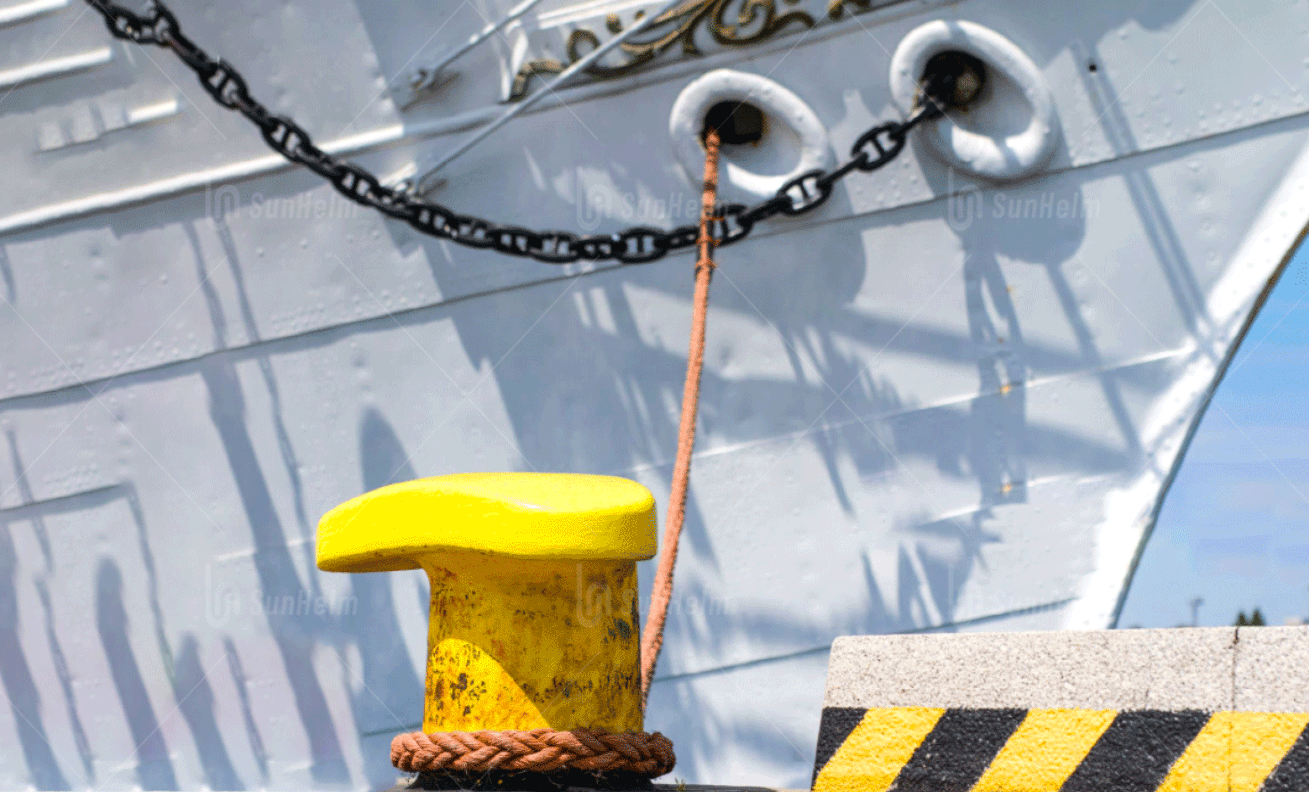
It’s a fair question: can a marine fender be used to float something?
Most people know marine fenders as safety tools. They sit between ships and docks to absorb impact and prevent damage. But since some fenders float on water, it’s easy to wonder if they can also be used to lift or support objects.
The short answer is: sometimes they can float things—but they are not made for that job. To understand why, we need to look at different types of fenders and what they are really designed to do.
Types of Marine Fenders and What They Do
Marine fenders come in several types, and each one has a clear purpose.
Foam-filled fenders have a solid foam core inside. They are strong, and they do not sink even if damaged. But their job is to absorb energy, not to lift weight. They cannot provide controlled buoyancy.
Rubber fenders, such as D-type or cell fenders, are usually fixed to docks. They do not float and are not used in any lifting or floating work.
Pneumatic fenders are different. They are filled with air, so they float naturally. These are often used in ship-to-ship operations and berthing. Because they float, some people think they can be used to support or lift objects. While they do provide some buoyancy, that is not their real purpose.
Why Pneumatic Fenders Are Not Buoyancy Tools
Even though pneumatic fenders float, they are not designed for lifting or salvage work.
First, they are made to absorb impact, not to carry heavy loads. Their structure is not built for stable lifting.
Second, they do not have proper lifting points or rigging systems. This makes it hard to control them when used under load.
Third, they cannot provide precise buoyancy control. In salvage work, you often need to adjust lift carefully. Pneumatic fenders are not built for that level of control.
If used the wrong way, they can become unstable. The load may shift, or the fender may fail under pressure. In marine operations, that kind of risk is not acceptable.
So while they can float, they should not be used as a lifting solution.
What Equipment Is Used for Floating and Lifting?
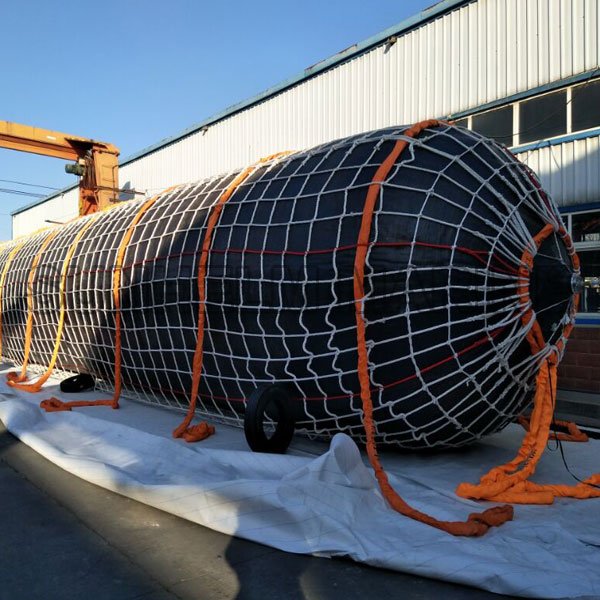
For real buoyancy work, the industry uses floating airbags, also called marine salvage airbags.
These are designed from the start to lift, support, and move heavy objects in water. They are widely used in salvage, rescue, and offshore projects.
Floating airbags can provide strong and controlled buoyancy. Workers can inflate or deflate them to adjust lifting force. They are also designed for underwater use and come with proper connection points for rigging.



A Better Solution: Upgraded Airbags from Sunhelmmarine
To meet the needs of modern marine projects, Sunhelmmarine has improved traditional ship launching airbags and turned them into multi-purpose buoyancy tools.
These upgraded airbags have stronger structures and much better wear resistance. This means they can handle rough conditions and repeated use.
More importantly, they are no longer limited to ship launching. They can now work as floating pontoons, support docks, and help with underwater construction.
For example, they are very useful in pipeline installation projects, where steady and reliable buoyancy is needed.
Main Uses of Marine Salvage Airbags
Marine salvage airbags are used in many real-world situations.
In wreck salvage, they help lift sunken ships from the seabed. Workers attach several airbags to the vessel and inflate them step by step. This allows the ship to rise in a controlled way.
They are also used in building floating docks and pontoons. Compared to steel structures, airbags are easier to move and set up.
In rescue operations, they can quickly support damaged vessels and prevent further sinking.
For grounded ships, airbags help reduce draft and make refloating easier, especially in shallow water.
How These Airbags Work in Practice
One big advantage of salvage airbags is how easy they are to handle. When deflated, they are small and light. This makes transport and storage simple.
In deep water, airbags can be used vertically. They help bring a sunken vessel back to an upright position before lifting it.
Near the surface, workers can place airbags under the hull. The airbags sit on both sides of the vessel and lift it high enough so that water can be pumped out.
In shallow water, two airbags can be used like pontoons. They are placed on each side of the vessel to create stable and balanced lift.
Conclusion
So, can a marine fender float an item?
Yes, in some cases it can. But that does not mean it should be used that way.
Marine fenders are made for protection, not for lifting. Even pneumatic fenders, which float, are not safe or reliable for buoyancy work.
For any serious lifting, salvage, or floating task, floating airbags are the right choice. They are designed for the job, safer to use, and much more effective.
As marine projects become more complex, using the right equipment is more important than ever.
Frequently Asked Questions (FAQ)
Can pneumatic fenders be used to lift a vessel?
No, they should not be used for lifting. Pneumatic fenders are made to absorb impact during berthing or ship-to-ship operations. They are not designed to carry heavy loads, and using them this way can be unsafe.
What is the difference between marine fenders and salvage airbags?
Marine fenders protect ships and docks from damage. Salvage airbags, on the other hand, are built to provide buoyancy. They are used to lift, support, or move heavy objects in water.
Are marine salvage airbags reusable?
Yes, most high-quality salvage airbags are designed for repeated use. With proper care and maintenance, they can be used in many different marine projects.
How much weight can a salvage airbag lift?
It depends on the size and type of the airbag. Larger airbags can lift several tons or even more. The exact capacity should always be checked before use.
When should floating airbags be used instead of cranes?
Floating airbags are a good choice when cranes are not practical. For example, in shallow water, remote areas, or underwater operations, airbags are often easier to use and more cost-effective.